A BEGINNER'S GUIDE TO
Glacier National Park
BY A. FLORENCE-TRAYLOR
RETURN TO THE ROOTS
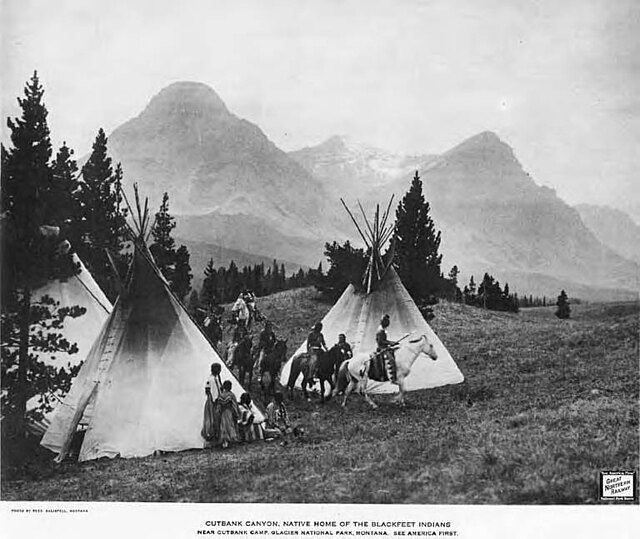
An advertisement from the Great Northern Railway encouraging tourism in the newly established Glacier National Park. Credits: Roland Reed / Wikimedia Commons
Long before it was established in 1910, Glacier National Park was inhabited by the Blackfeet tribe for over 10,000 years. They referred to it as the “backbone of the world”, a testament to the spiritual and cultural connection they shared with the land.
During the 1800s, European explorers, settlers, and railroad companies made their mark on the region. The Great Northern Railway promoted the area to tourists, urging them to come see "Glacier's vanishing Indians". They exploited the natives by hiring Blackfeet families to set up tipis outside Glacier National Lodge and paying them to dress in ceremonial attire.
After years of starvation, poverty, and neglect from the government, the Blackfeet were coerced to sell 800,000 acres of the western part of their reservation so they could afford food and supplies. On May 11, 1910, President William Howard taft signed the bill to establish Glacier National Park, making it the country's 10th national park.
NATURAL GEMS
Glacier National Park is defined by its rugged mountains, deep valleys, and crystal-clear lakes shaped by ancient glaciers. Read on to discover more about its most famous natural landmarks.
Lake McDonald
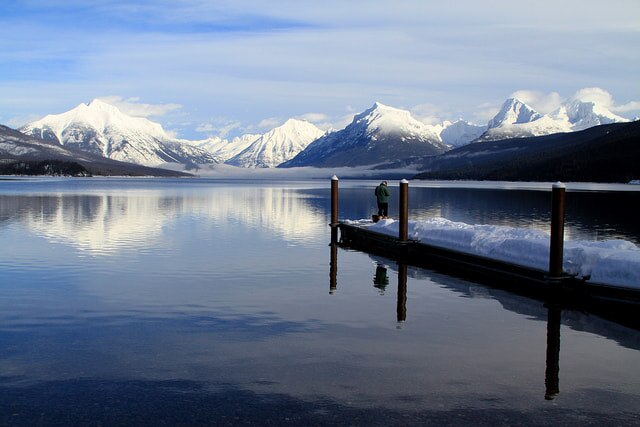
Credits: Brad Lanphere / Wikimedia Commons / CC BY 3.0
More than 10 miles long, Lake McDonald is well-known for its crystal-clear waters and colorful stones along its shoreline. It was formed by massive glacial erosion during the Ice Age and is now a popular destination for hiking, fishing, and sightseeing.
Avalanche Lake
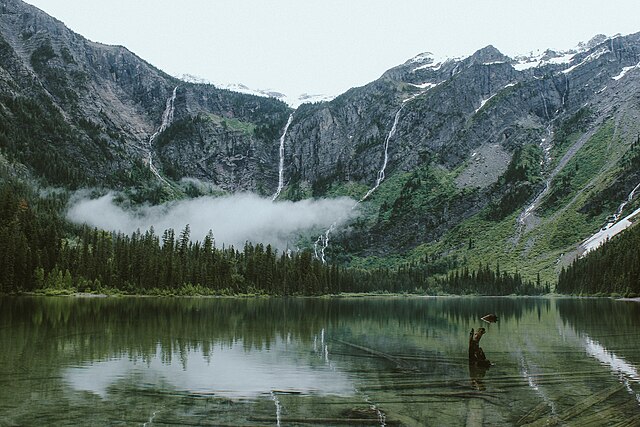
Credits: Linh Pham lhpham12 / Wikimedia Commons / CC0 1.0
Avalanche Lake is a secluded alpine lake surrounded by steep cliffs and several waterfalls. It is located in the western part of Glacier National Park is known for its turquoise waters and beautiful mountain backdrop.
Grinnell Glacier
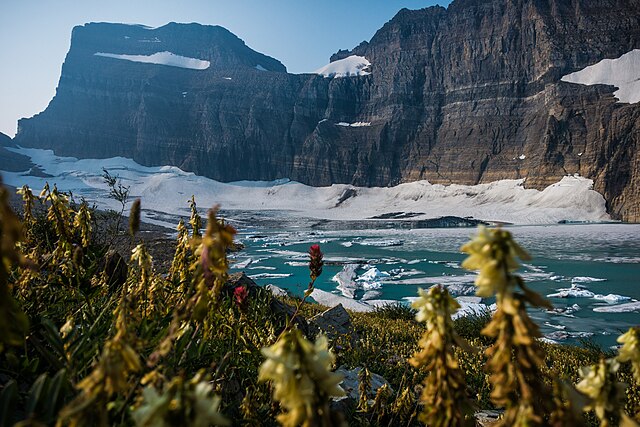
Credits: Glacier NPS / Wikimedia Commons
Named after famous conservationist George Bird Grinnell, Grinnell Glacier is a prominent mountain in the Many Glacier Valley area of the park. The peak is a result of the accumulation and compaction of snow into ice over many winters. The peak towers above nearby glaciers and lakes, making it a defining feature of the park.
FLORA AND FAUNA
Thanks to its location between multiple regions, including Rocky Mountain alpine, Pacific Coast, and Great Plains ecosystems, as well as its vast elevation changes (3,000 to over 10,000 feet) and varied climate zones, Glacier is the perfect home for a wide range of plants and animals.
Plants
According to th National Park Service, "Glacier National Park is home to at least 1,132 species of vascular plants (those containing vessels that conduct water and nutrients). There are 88 annual or biennial plant species and 804 types of perennial herbs. Included in these numbers are 127 non-native species. Sixty-seven vascular and 42 non-vascular plant species found in Glacier Park are listed as 'sensitive' by the State of Montana."
Some of these plants are listed as "sensitive" primarily due to rapid climate change, causing issues such as glacier retreat, increased droughts, and warmer temperatures. This combined with the spread of invasive plants makes these plants considered endangered.
To mitigate these issues, Glacier National Park Service has led multiple conservation projects, such as leading rare plant monitoring and engaging local students in educational field trips.
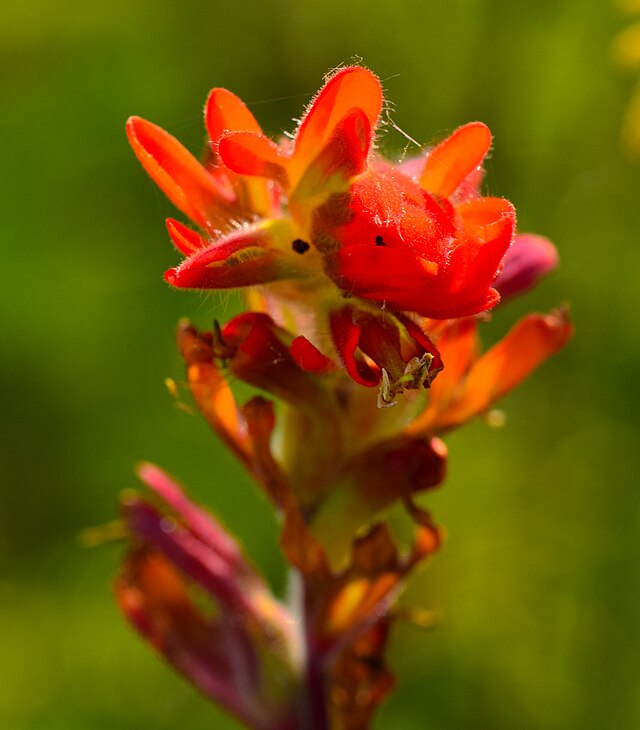
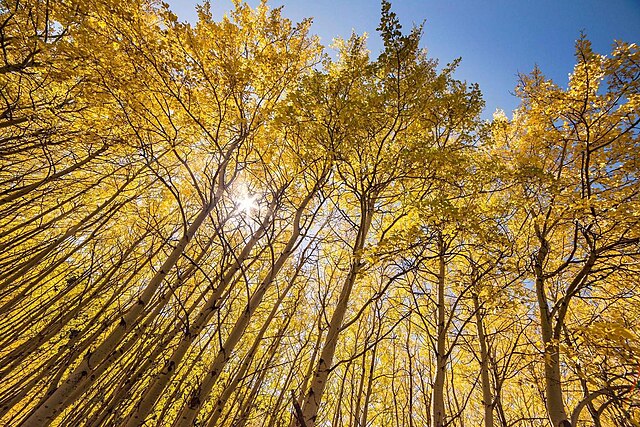
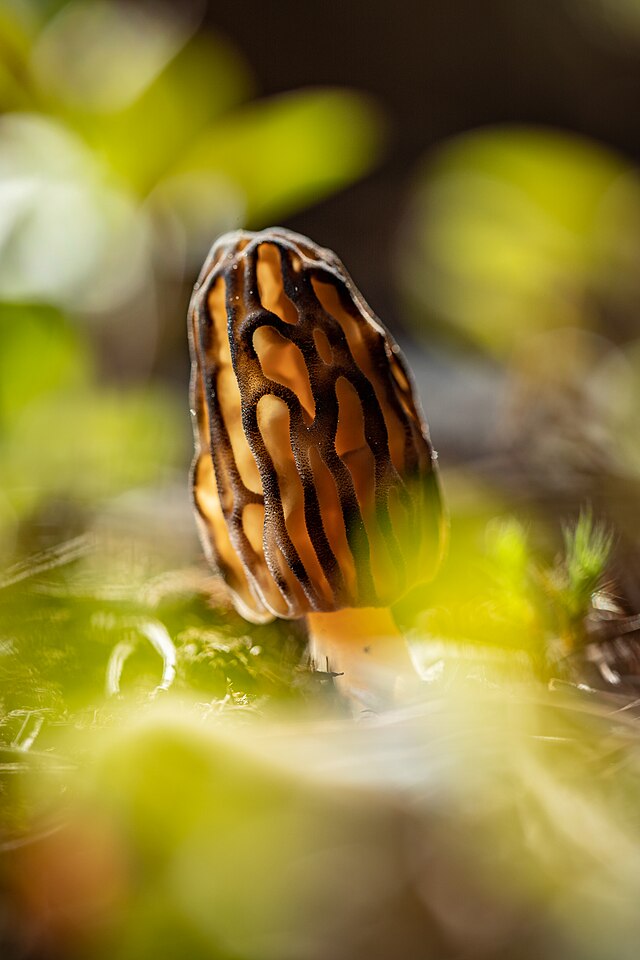
From left to right:
1. Indian Paintbrush. Credits: Joshua Mayer / Wikimedia Commons / CC BY-SA 2.0.
2. Quaking Aspens.
Credits: National Park Service / Wikimedia Commons.
3. Morel Mushroom. Credits: Glacier NPS / Wikimedia Commons.
Wildlife
As of their latest records, Glacier National Park contains 71 species of mammals, 276 species of birds, 24 species of fish (a mix of invasive and noninvasive), 6 types of amphibians, and 3 species of reptiles.
Currently, there are several species of endangered animals in Glacier National Park, including the grizzly bear, Canada lynx, and bull trout. These population reductions are also due to rapid climate change and invasive species. The National Park Service has initiated multiple animal restoration projects, such as the Bull Trout Conservation project, to reduce these risks.
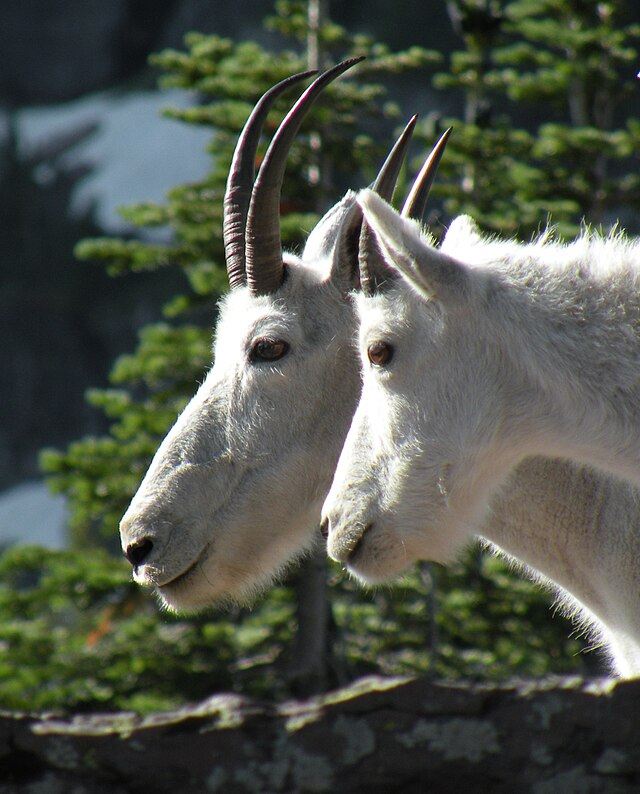
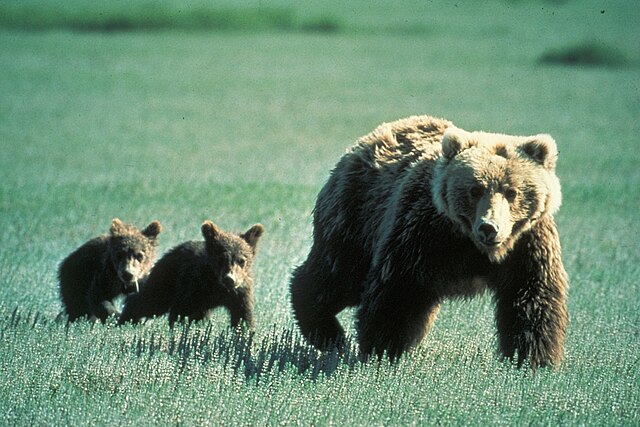
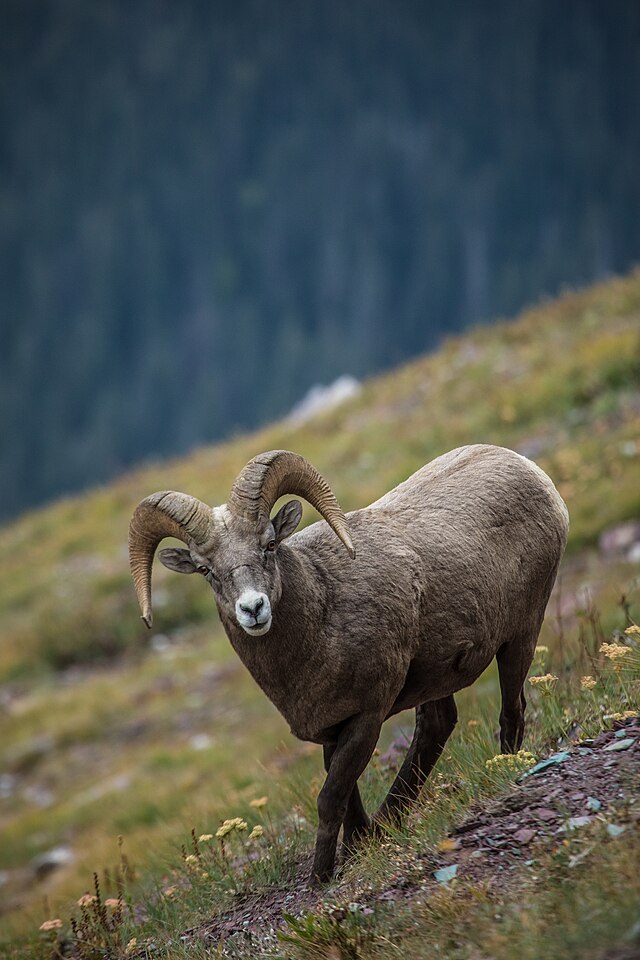
From left to right:
1. Mountain goats. Credits: Christian Hagenlocher / Wikimedia Commons / CC BY 4.0.
2. Grizzly bear family. Credits: National Park Service / Wikimedia Commons.
3. Bighorn sheep. Credits: GlacierNPS / Wikimedia Commons
SOURCES
Allie Patterson, 2019. "Blackfeet Removal from Glacier National Park"
Glacier National Park Conservancy, 2021.
"Protecting Native Plants in Glacier National Park"
National Park Service, 2023.
"Animals"
National Park Service, 2018. "Plants"
National Park Service, 2021. "Lake McDonald Valley"
Quinn Smith, 2020. "A Stolen History, Future Claims: The Blackfeet Nation and Glacier National Park"
Diane Creer, 2001. "Avalanche Lake"
US News, no date. Grinnell Glacier