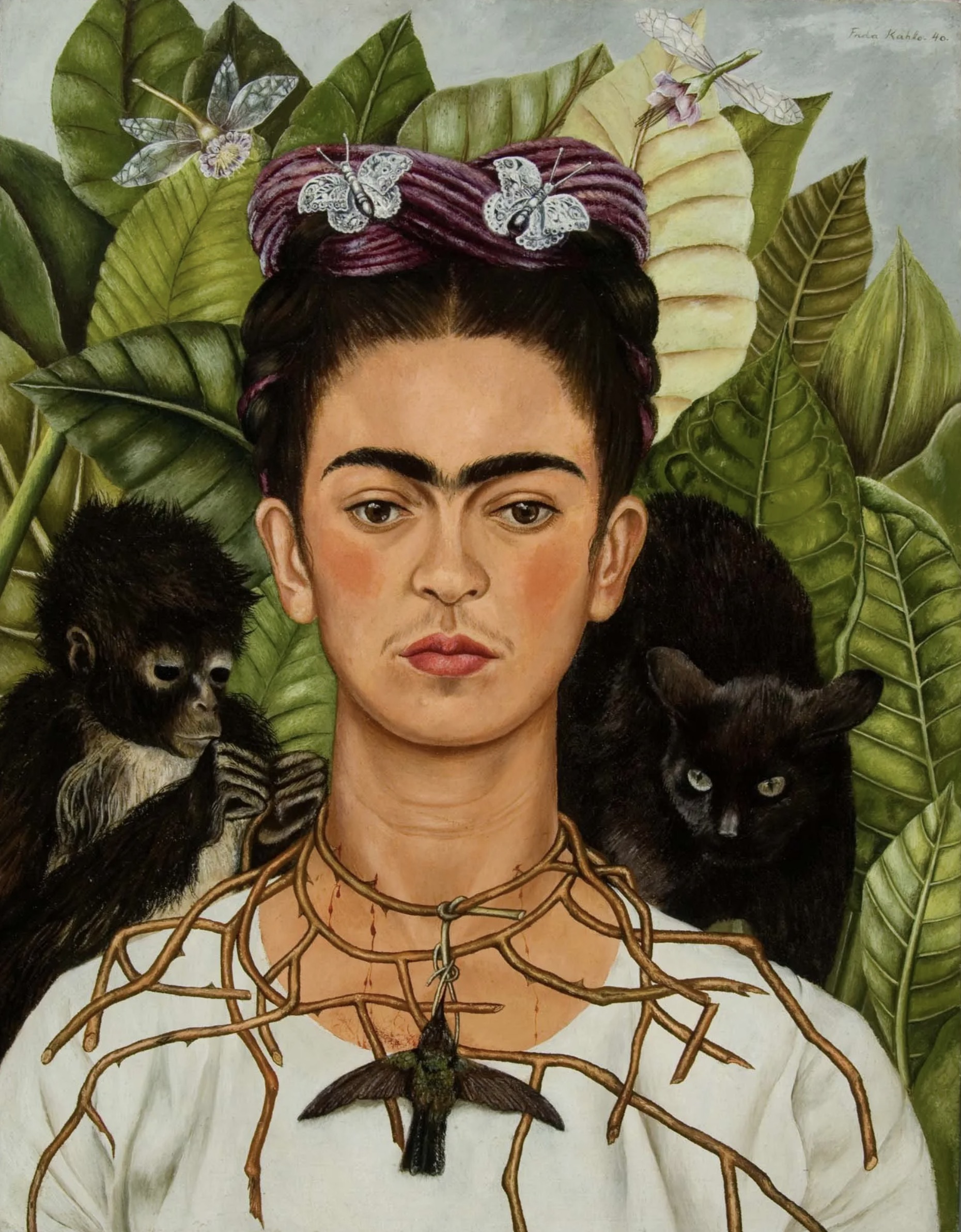
Frida Kahlo was a Mexican artist known for painting many self-portraits. She was injured in a serious accident when she was young, which influenced her art. Her paintings showed her feelings, pain, and Mexican culture. While recovering from a near-fatal bus accident that left her body in ruins and signaled the start of her lifelong physical struggles, Frida Kahlo started painting in 1925. She would create a very small yet resolute and striking body of work over the following three decades.She is a renowned artist for her striking self-portraits that blend elements of surrealism to explore themes of identity, pain, and Mexican heritage. She is also celebrated for her distinctive appearance—marked by her unibrow and traditional clothing—her passionate yet turbulent relationship with Diego Rivera, and her enduring influence as a feminist and LGBTQ+ icon, all shaped by a life of deep physical suffering and fearless self-expression.Today, she is famous around the world for her unique style.
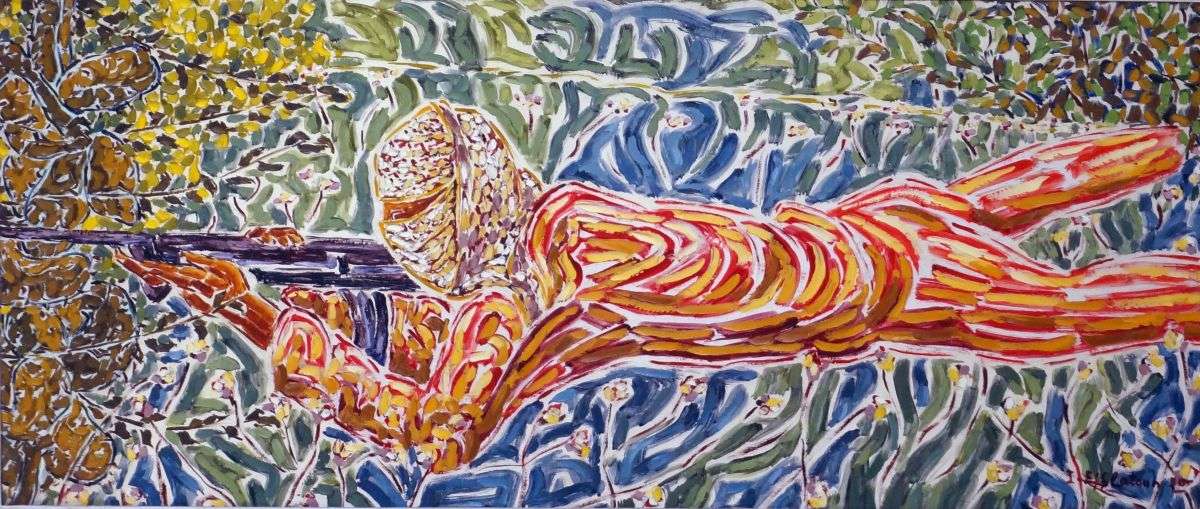
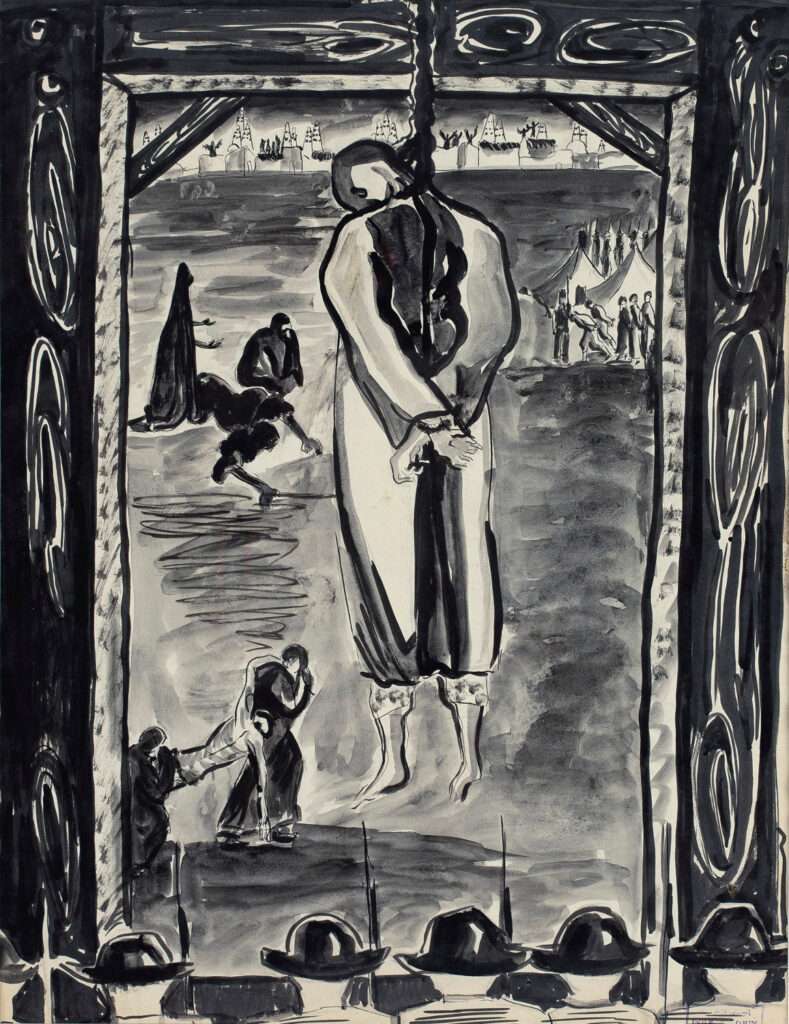
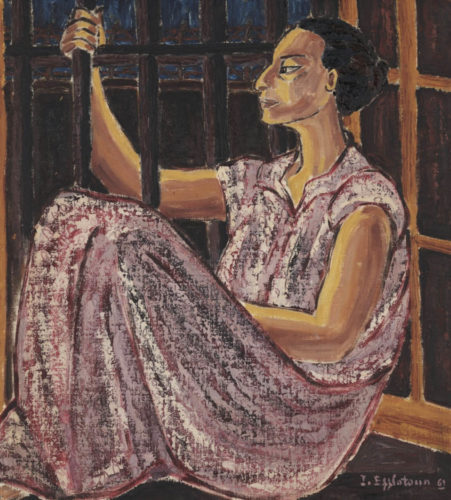
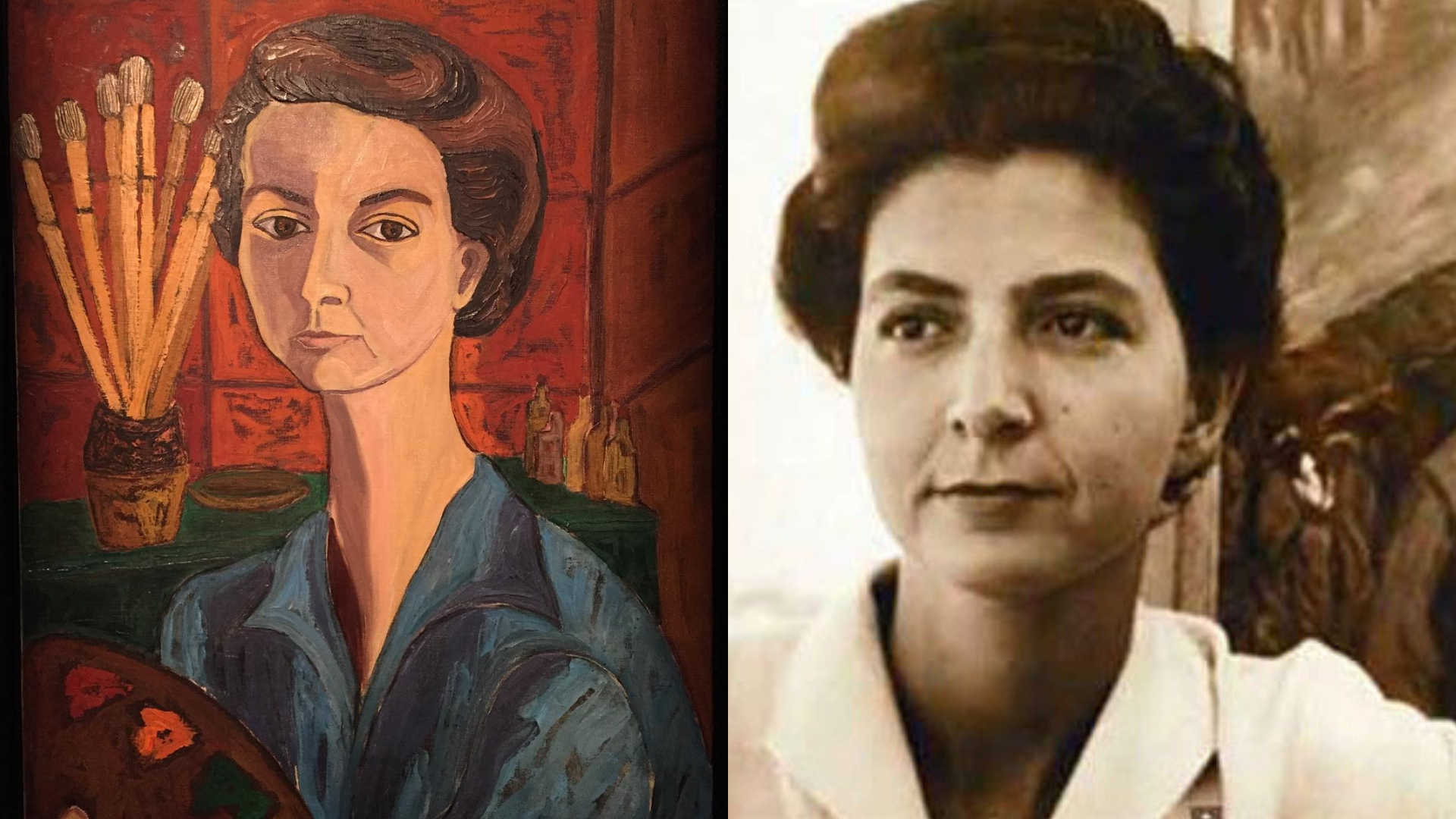
In 1924, Inji Efflatoun was born into a prosperous family from the French-speaking nobility of Cairo. The first female-owned tailoring business was started by her divorced mother. Before attending the French Lycée in Cairo, where she learned about Marxism, Inji Efflatoun enjoyed a rigorous Catholic education.Inji Efflatoun was then an Egyptian painter and activist in the communist and feminist movements in Egypt during the 1950s and ’60s. Her artwork and activism was invested in class struggle, national independence, and women’s liberation. Her early paintings were surrealist and cubist in style and portrayed themes of confinement and rebellion.
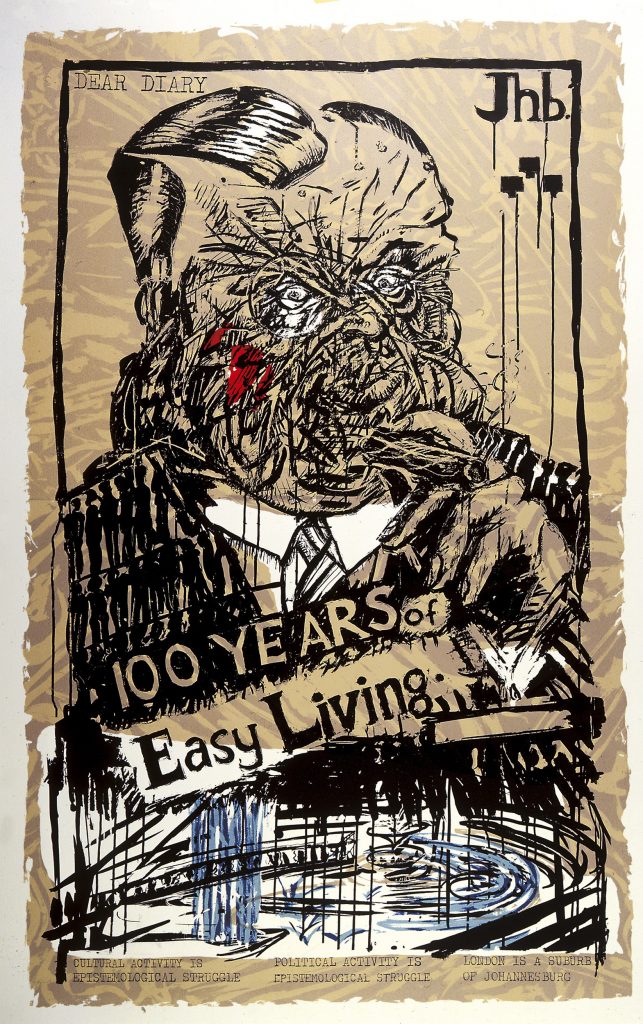
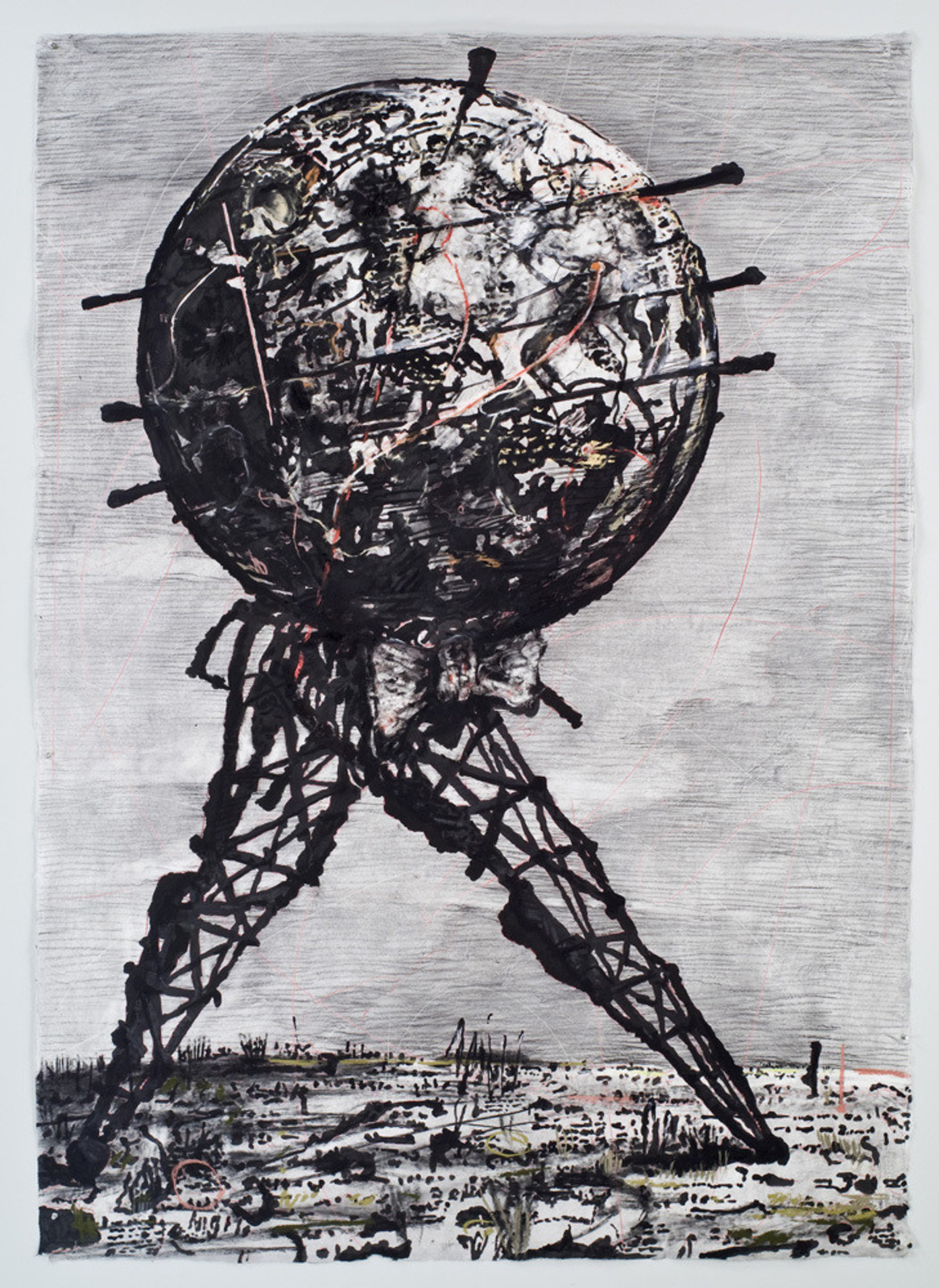
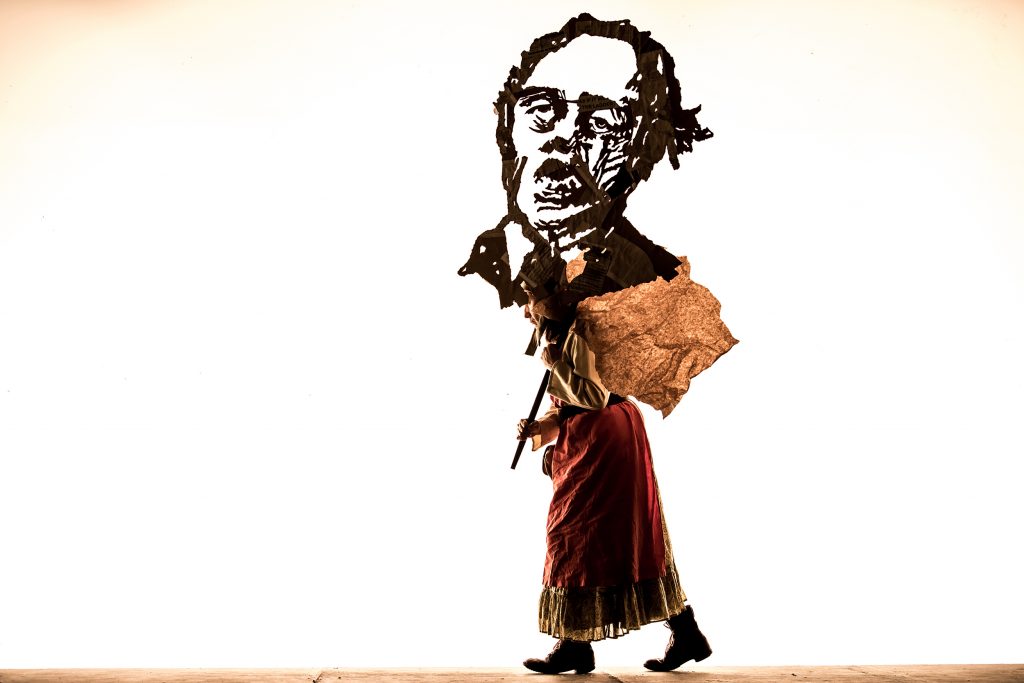
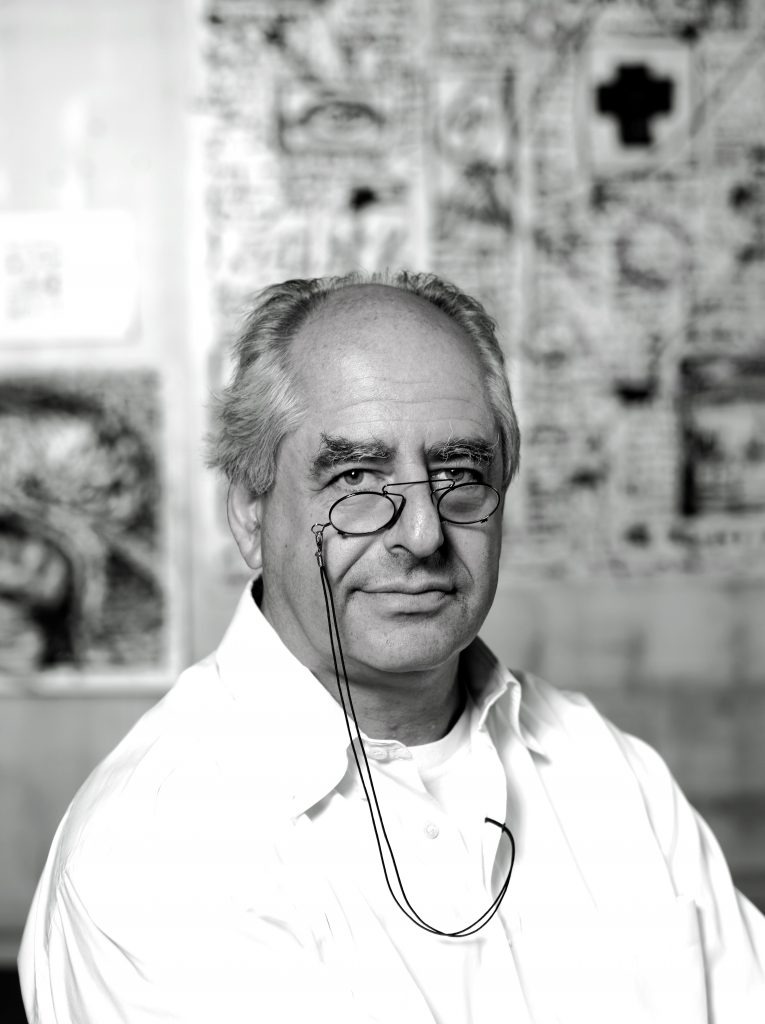
William Kentridge was born in 1955 in Johannesburg, South Africa. He grew up during apartheid, a time of racial segregation and injustice. His parents were lawyers who worked on human rights cases, which influenced his views. This history strongly shaped his art, which often reflects South Africa’s political past.William Kentridge uses charcoal animation, prints, and performance to explore doubt and identity through evolving drawings that show traces of destruction and change, reflecting time's passage and shifting realities. His art explores South Africa's apartheid history, colonialism, and universal themes of memory, loss, power, and the human condition.