FOOD AROUND THE WORLD
Created by: S. Rodriguez
FOOD IN AMERICA
A hamburger, or burger, is a sandwich made with a cooked meat patty, usually beef, placed inside a bun or bread roll and often topped with ingredients like lettuce, tomato, onion, pickles, or bacon, along with sauces such as ketchup, mustard, or mayonnaise. When cheese is added, it’s called a cheeseburger. Hamburgers are popular in fast-food restaurants, diners, and other types of restaurants, and there are many regional and international variations. Famous burgers like McDonald’s Big Mac and Burger King’s Whopper have become well-known symbols of American culture.
The hamburger likely originated from Hamburg, Germany, and was brought to the U.S. by German immigrants in the 19th century.
White Castle, founded in 1921, is considered the first fast-food hamburger chain in the United States. The cheeseburger was invented in the 1920s, with claims from both Pasadena, California, and Louisville, Kentucky.
Vegetarian and vegan burgers have become popular, made from ingredients like black beans, mushrooms, or plant-based proteins.
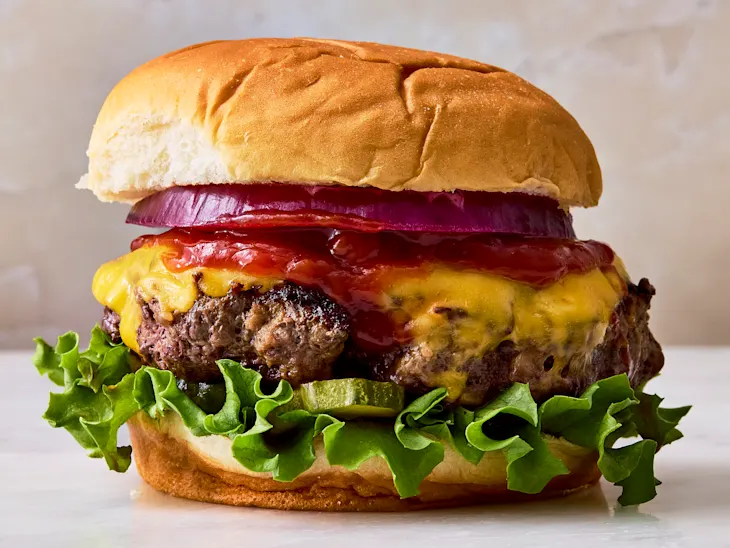
source https://www.thekitchn.com/how-to-make-burgers-on-the-stovetop-cooking-lessons-from-the-kitchn-217722

https://www.historyhit.com/locations/statue-of-liberty/

https://www.gettysburgflag.com/american-flag-symbolism?srsltid=AfmBOoqWJwyEkgaUqcsfTBweC20-8i7rXTDokA5vLX4mLjwZdIkRJS9s
Food in italy
Carbonara is a pasta dish from the Lazio region of Italy made with cured pork, eggs, cheese, salt, and black pepper. It developed its modern name and style in the mid-20th century. The traditional cheese is pecorino romano, though some recipes use Parmesan, Grana Padano, or a mix. Spaghetti is the most common pasta, but bucatini or rigatoni can also be used. The classic meat is guanciale (pork jowl), but some recipes use pancetta, and outside Italy, smoked bacon is often substituted.
Pasta alla carbonara is believed to have originated in 1944 during World War II.
The dish is said to be named after woodcutters (carbonai) in the Apennines.
The traditional recipe uses guanciale and pecorino cheese.
Many people use smoked pancetta instead of guanciale today.

https://www.onthegotours.com/Italy/Guides/Best-Places-to-Visit
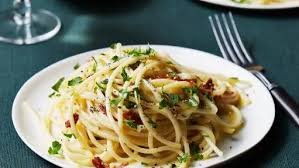
https://www.foodnetwork.com/recipes/tyler-florence/spaghetti-alla-carbonara-recipe-1914140
FOOD IN JAPAN
Sushi is a traditional Japanese dish made with vinegared rice and usually combined with ingredients like seafood, vegetables, or sometimes meat. The most common type of sushi uses raw seafood, but some versions have cooked ingredients. The modern form of sushi, called nigiri, was created around 1824 by Hanaya Yohei, where seafood is placed on hand-pressed rice. Sushi is usually made with white rice but can also use brown or short-grain rice, and it’s often served with soy sauce, wasabi, and pickled ginger. Unlike sashimi, sushi always includes rice.Sushi is a great source of omega-3 fatty acids, iodine, and vitamin A, which are good for the heart, thyroid, and immune system. Sushi was once street food in Japan and became more common in restaurants after the 1923 earthquake. Traditionally, sushi can be eaten with hands or chopsticks, depending on preference.
Sushi rice was not originally eaten; it was used to ferment and preserve fish, and only the fish was eaten.

https://www.tsunagujapan.com/everything-you-need-to-know-about-the-japanese-flag/

https://matadornetwork.com/destinations/asia/japan/
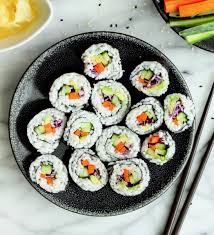
https://foodbyjonister.com/recipe/easy-vegetable-sushi/