Pakistan is a country in South Asia known for its rich and diverse history shaped by ancient civilizations such as the Indus Valley, followed by Persian, Islamic, and South Asian cultural influences. These layers of history have influenced Pakistan’s architecture, language, traditions, and art. The country became an independent nation in 1947 after the partition of British India, which was a major turning point in its history. Today, Pakistan is home to many ethnic groups like Punjabis, Sindhis, Pashtuns, and Baloch, each contributing their own traditions, clothing styles, languages, and music. This diversity makes Pakistan a culturally rich and unique nation with a strong sense of identity.
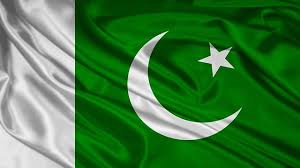
Image by Alchetron.com
Music in Pakistan has deep roots and plays an important role in cultural and religious life. It has been influenced by classical South Asian music as well as Islamic devotional traditions. For centuries, music has been used as a way to express spirituality, emotions, and storytelling. Each region of Pakistan has its own folk music that reflects local history, daily life, and traditions.Classical music styles like qawwali and ghazal are especially important in Pakistani music history. Qawwali is connected to Sufism and is performed at shrines and spiritual gatherings, while ghazals focus on poetry, love, and deep emotion. Over time, Pakistani musicians have blended traditional music with modern instruments and styles, helping it reach global audiences.
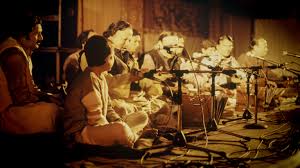
Creator: Andrew Catlin | Credit: Courtesy of Real World Records
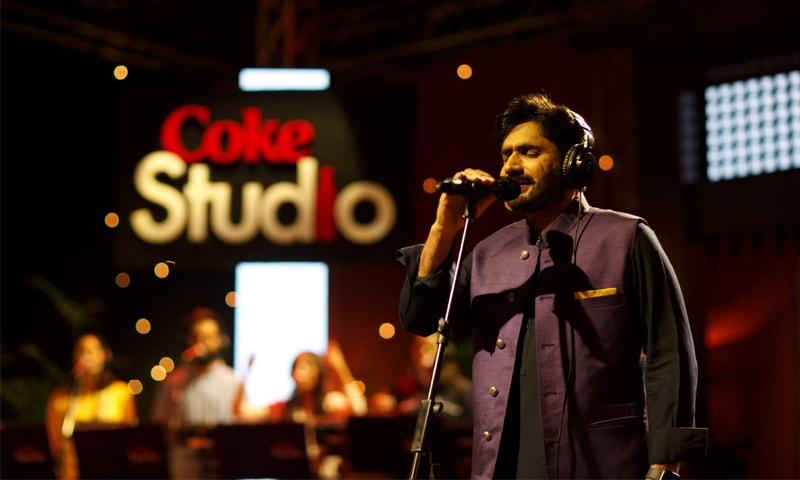
Pakistani culture is a blend of tradition, religion, and regional diversity. Family values play a strong role in society, and respect for elders and hospitality toward guests are deeply important. Clothing, food, music, and celebrations vary across regions but are all connected by shared cultural values.Traditional dress like the shalwar kameez is worn by both men and women and represents cultural identity and comfort. Pakistani culture also values poetry, art, and music as forms of expression. In recent years, modern platforms have helped traditional culture stay relevant, especially through media and music.