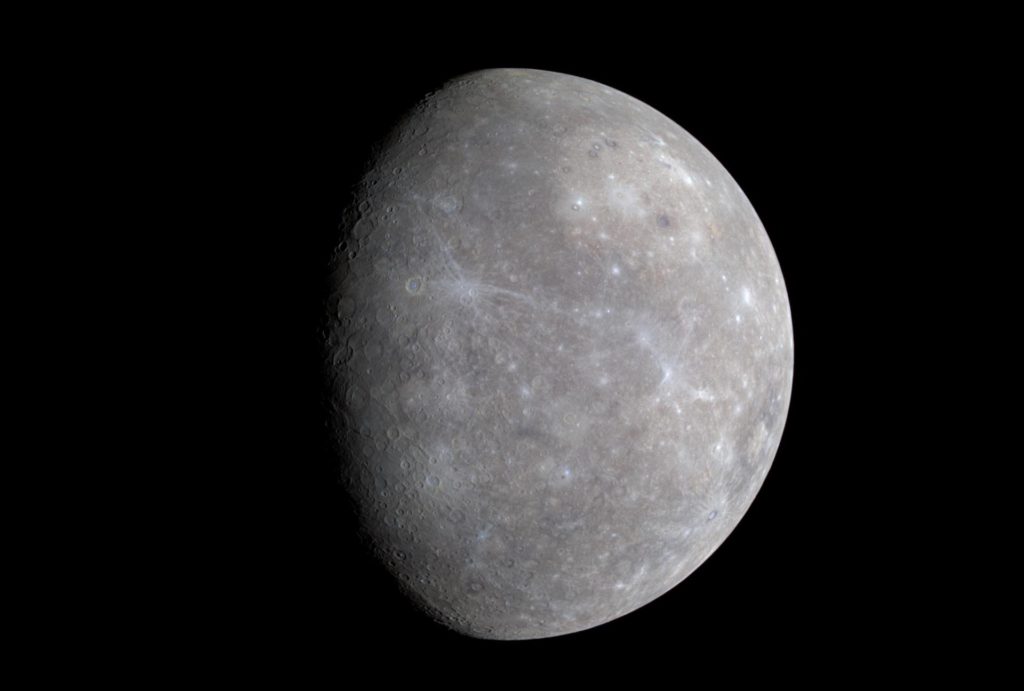
Mercury is the smallest planet in the solar system. It orbits the Sun for around 88 Earth days. One day on Mercury is about 58 Earth days! Although Mercury is the closest planet to the Sun, it isn't the hottest because it has a very thin atmosphere. It has almost no atmosphere to be able to hold in the heat it is getting from the Sun. The average temperature on the Sunnyside is 167 C.
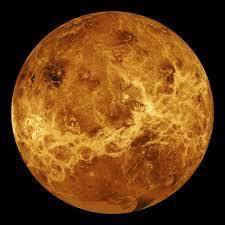
Even though it is the second closest to the Sun, Venus is the hottest planet in our Solar System, with 475 C! `The orbital period is around 225 Earth days. Venus is 67.24 million miles away from the Sun.
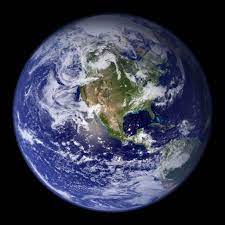
Earth is the planet that we live in, that we all live in. In fact, there is no other planet in the solar system till now that has life except for Earth. Earth takes 365 days to revolve around the sun and takes 24 hours to finish one day. Earth is a rocky planet with a solid and dynamic surface of mountains, canyons, plains, and more. Most of our planet is covered in water. Earth’s atmosphere is 78 percent nitrogen, 21 percent oxygen, and 1 percent other ingredients—the perfect balance to breathe and live. Earth is the only planet in the entire solar system that has one moon.
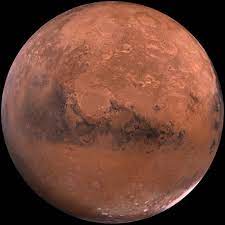
Mars is the fourth planet in the solar system and is the second smallest. Mar's orbital period is 687 days and the length of a typical day is 1d and 37m and its distance from the sun is 141.6 million miles. Though Earth is the only planet in the solar system with life, scientists have been researching is there was any habitual life in the past.
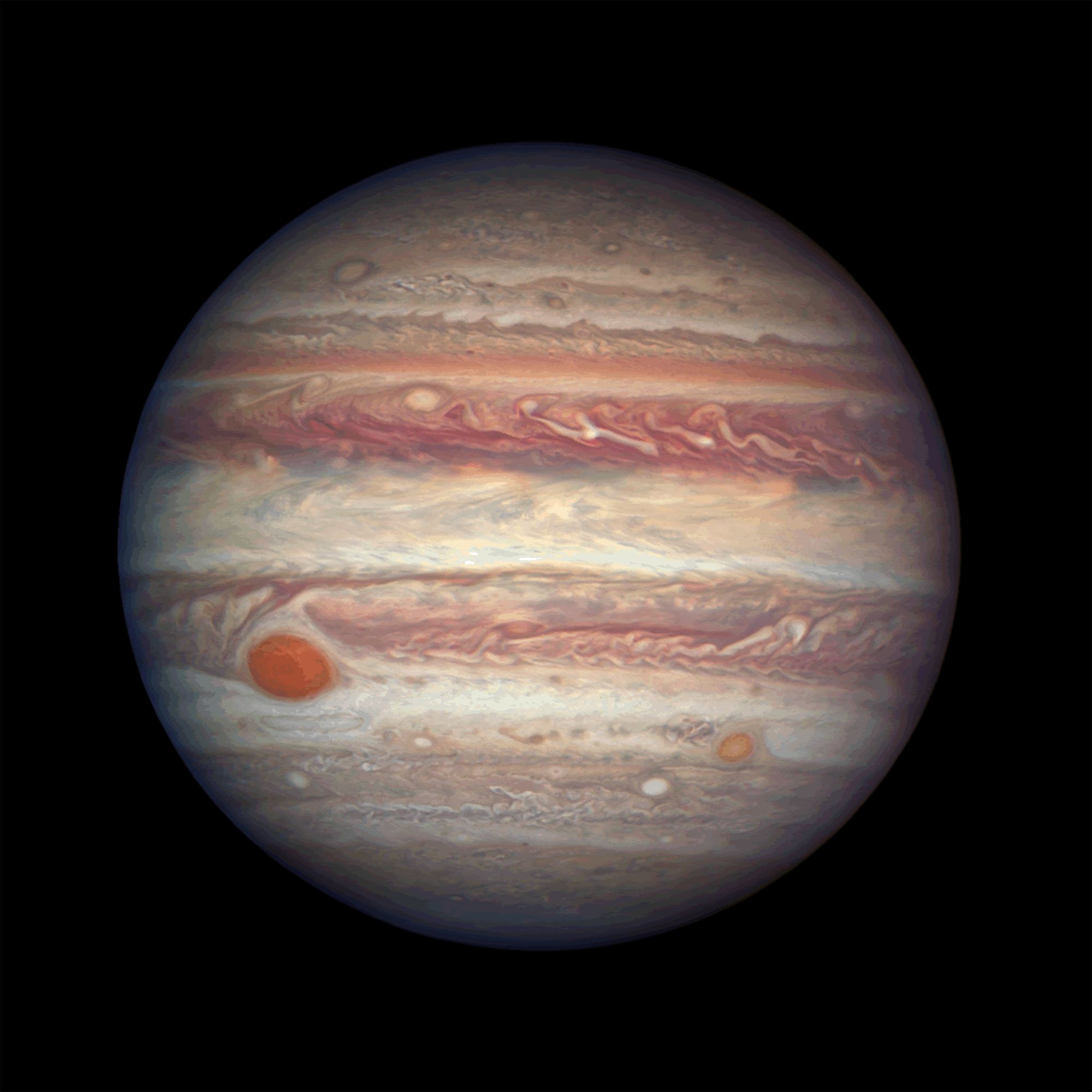
Jupiter is the biggest and largest planet in the solar system. It weighs about 317.8 M and the average temperature there is -238 degrees F! It's orbital period is 12 years and the distance from the sun is 483.8 million miles.
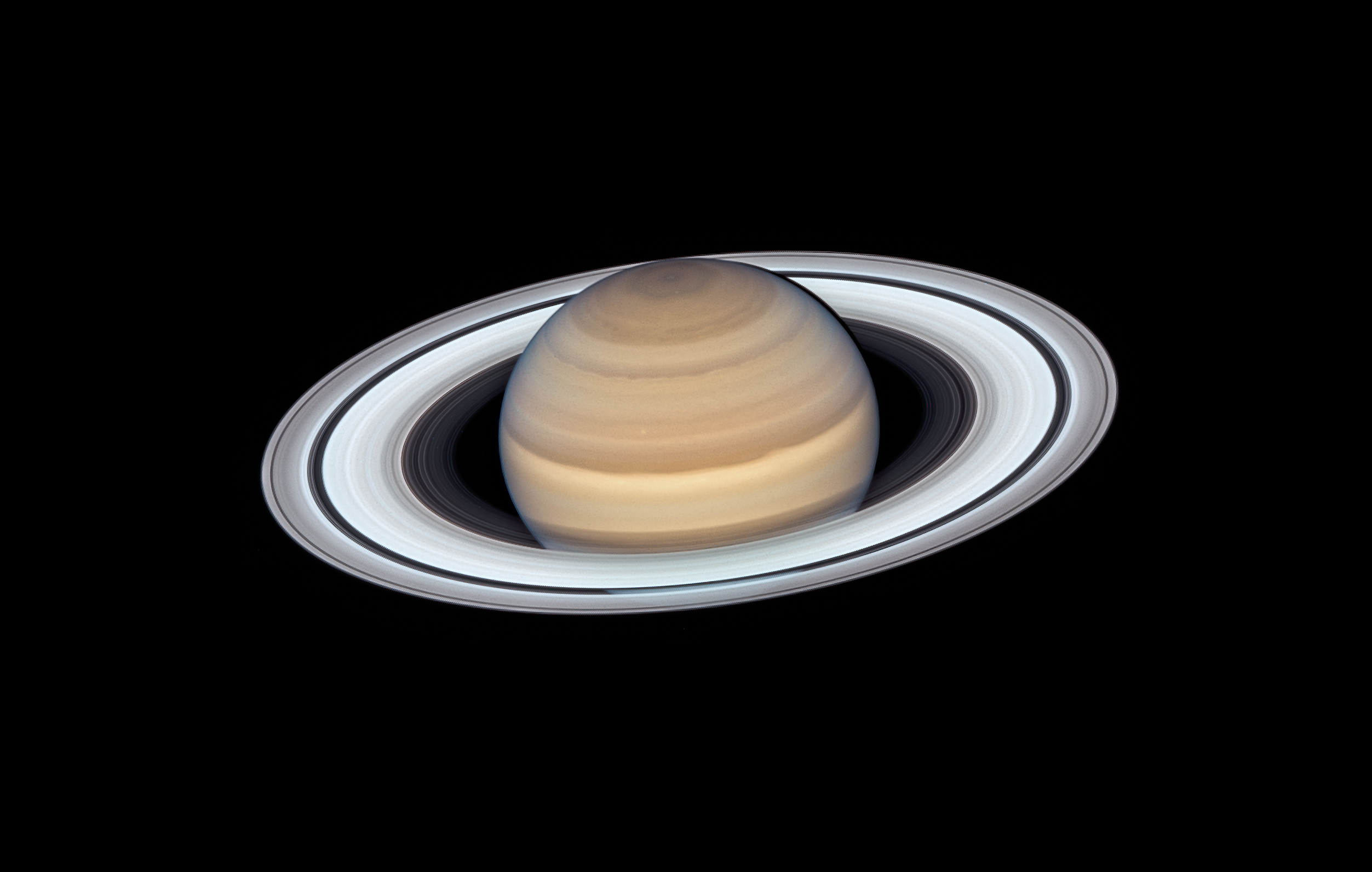
Saturn is the sixth planet from the Sun and the second-largest in the Solar System, after Jupiter. It is a gas giant with an average radius of about nine and a half times that of Earth. It has only one-eighth the average density of Earth but is over 95 times more massive. It has an orbital period of 29 years and its distance from the sun is 890.8 million miles.
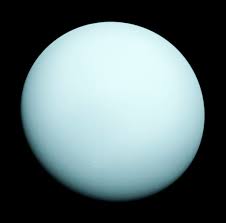
Uranus is the seventh planet from the Sun and has the third-largest diameter in our solar system. It was the first planet found with the aid of a telescope and was discovered in 1781 by astronomer William Herschel, although he originally thought it was either a comet or a star. It has an orbital period of 84 years and its distance from the sun is 1.784 billion miles!
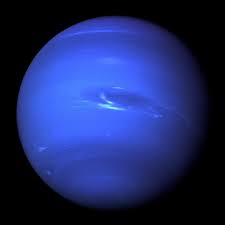
Neptune is the eighth planet from the Sun and the last planet of the solar system. It was discovered through mathematical calculations and has an orbital period of 165 years. Neptune is located at a distance of 2.793 billion miles from the Sun and is known for its dark, cold, and windy atmosphere with supersonic winds.
↓ To go more in depth about some concepts, click on these links! ↓
Home 🪐Space background by Egor Suvorov from istock.com CC-BY