Our Risk For Infectious Diseases Is Increasing Because of Global Warming
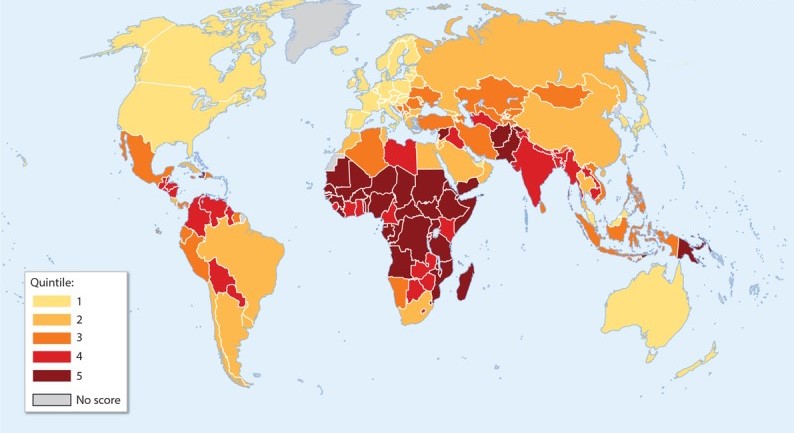
Heatwaves are extended periods of excessively hot weather, and they are becoming more common due to global warming.

Prolonged periods of abnormally high temperatures can have serious health effects on vulnerable groups such as the elderly and sick, leading to heat-related illnesses such as heat stroke and dehydration, and can even lead to death. This was the case during the 2003 heat wave in Europe that killed an estimated 35,000 people.
Global warming can have significant and detrimental effects on agricultural productivity around the world.
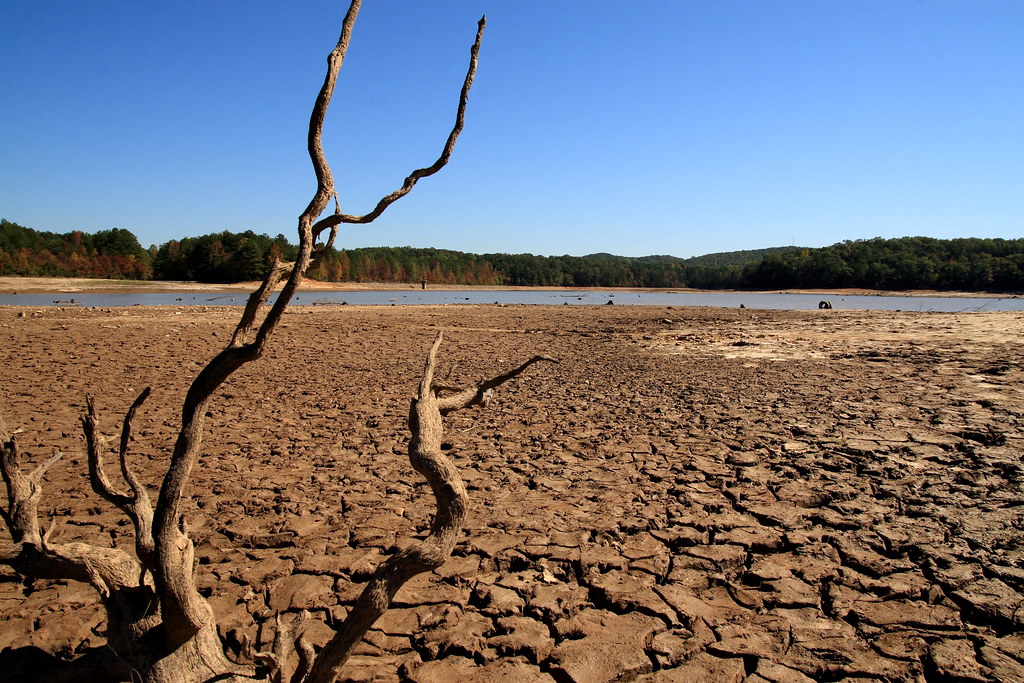
Global warming can have a wide range of effects on agriculture. Warming tends to diminish yields above a given temperature range. Droughts can worsen living circumstances as a result of global warming, notably in Africa. Global warming has the potential to radically alter rainfall patterns, putting millions of people's water and food supply at danger.
Global warming and climate change pose significant threats to organisms and biodiversity.
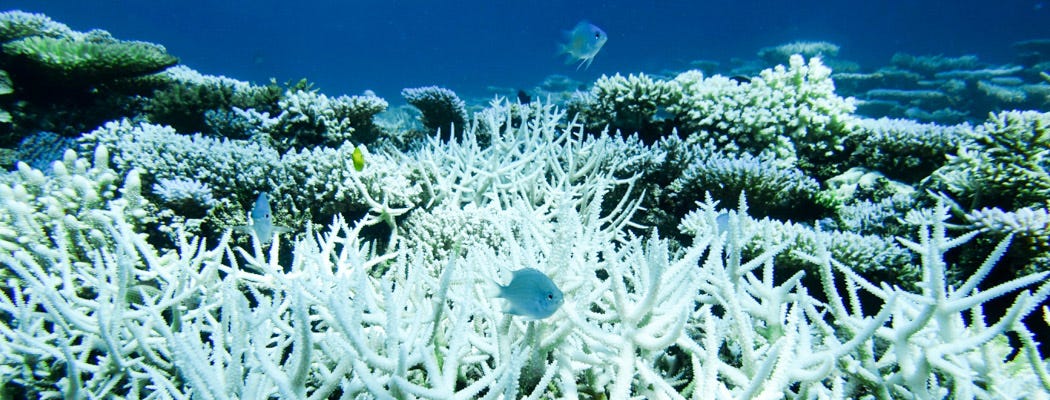
Global warming is causing oceans to heat up and become more acidic, leading to coral bleaching, disrupted food chains, and shifts in the distribution of marine species. Rising sea levels and extreme weather events also threaten coastal habitats, while increased disease and loss of biodiversity harm ocean ecosystems and impact human societies reliant on marine resources.