As we traverse the vibrant roads of Malaysia, we become part of a diverse and bustling transportation system. However, amidst the beauty and excitement, road safety remains of paramount importance. Malaysia's comprehensive array of traffic signs serves as a vital tool in ensuring the safety of drivers, pedestrians, and cyclists. In this post, we will explore the correlation between road safety and Malaysia's distinct categories of traffic signs: warning signs, mandatory signs, priority signs, prohibitory signs, and information signs. Join us as we unravel the significance of these signs in fostering a culture of road safety across the nation.
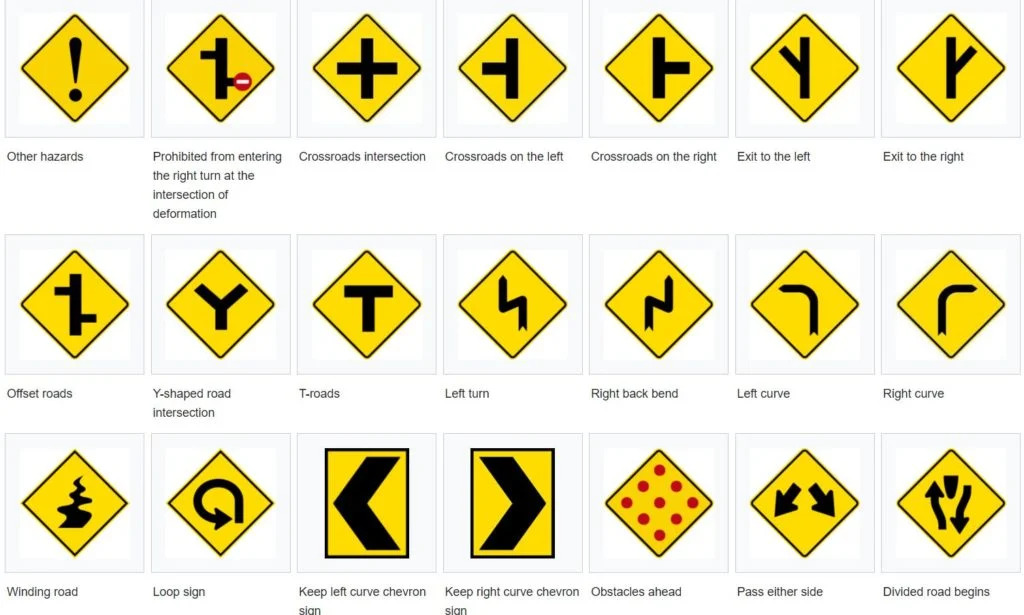
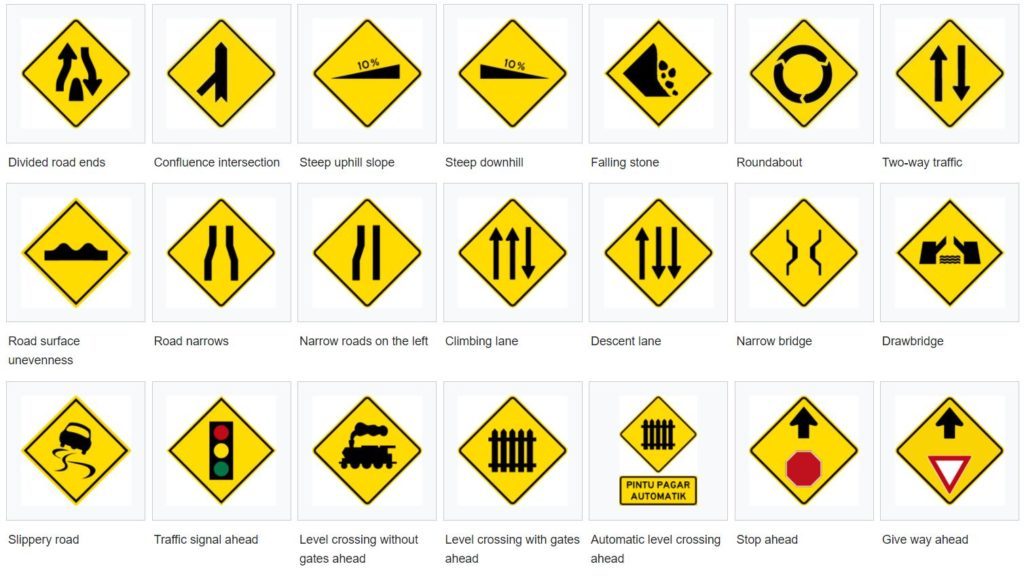
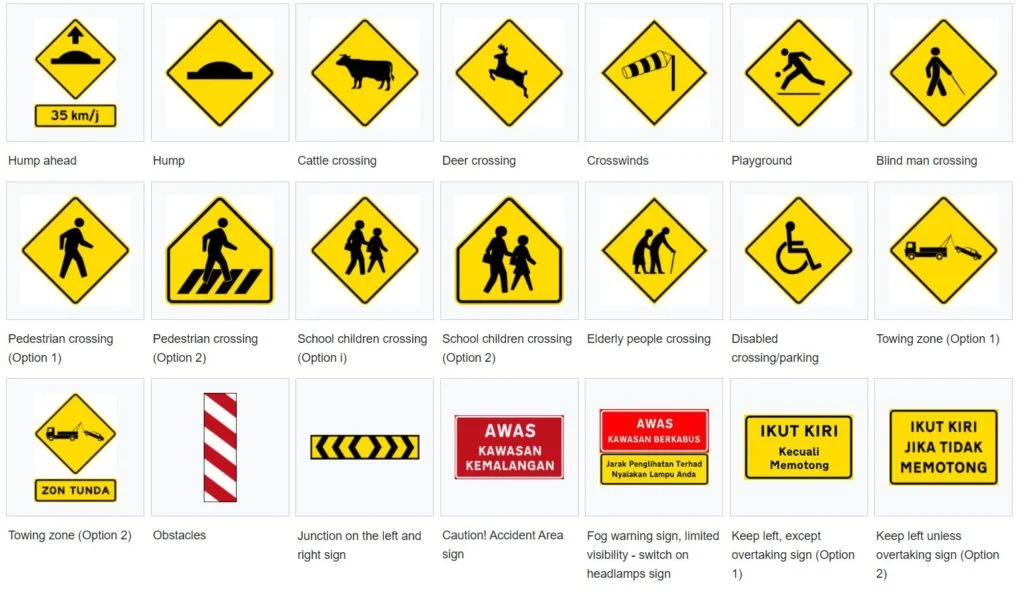
The warning signs are placed to warn road users of a potentially dangerous traffic situation. Most of the signs have diamond shapes and yellow background, contrasting with their black pictograms. You can see them alongside the road, preparing drivers for what lies ahead.
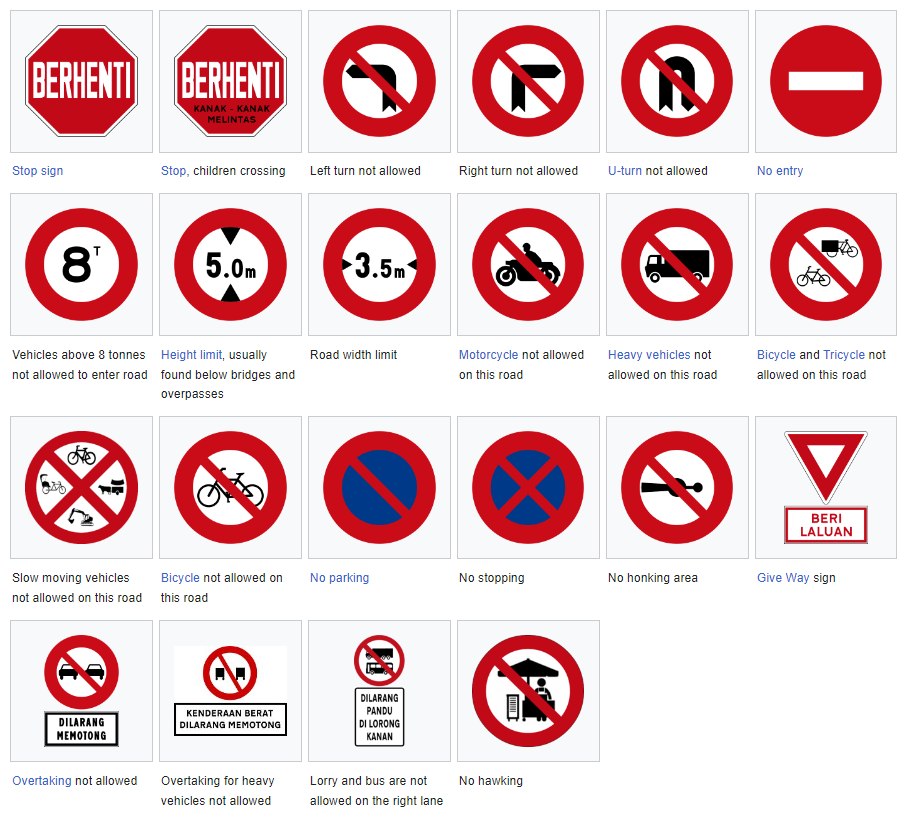
Prohibited signs are usually in red colour with a white background. Sometimes, these road signs can be in yellow or blue backgrounds. The prohibition signs forbid a certain action. Drivers are required to obey these types of road signs.
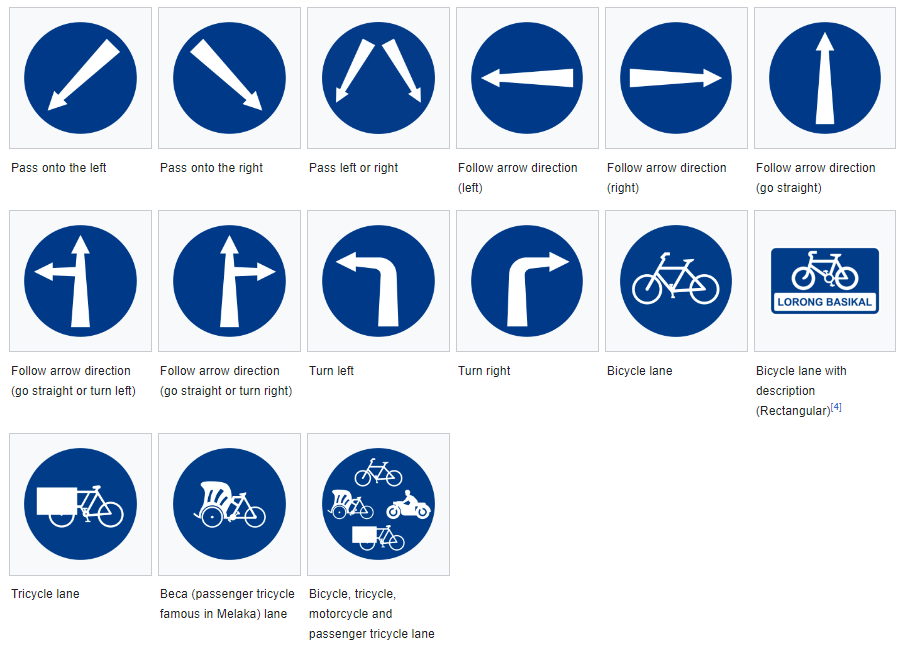
Mandatory signs come in blue background with white pictograms. These signs are placed at locations where drivers are required to adhere.
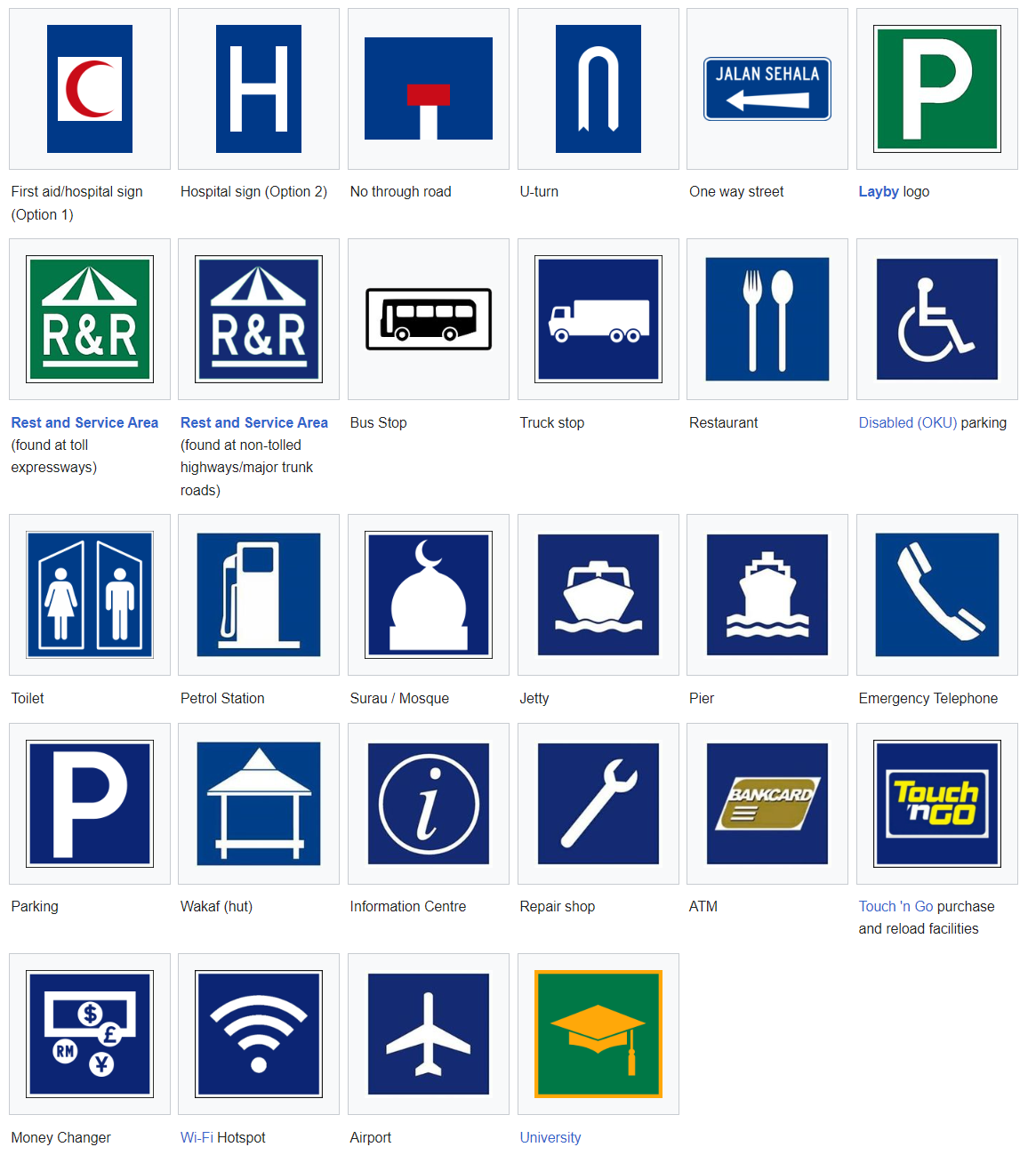
Information Signs are blue backgrounds and white pictograms, while those with green backgrounds and white pictograms are often located on the highway. You can spot the signs almost everywhere as they provide only general information or extra information about the road.
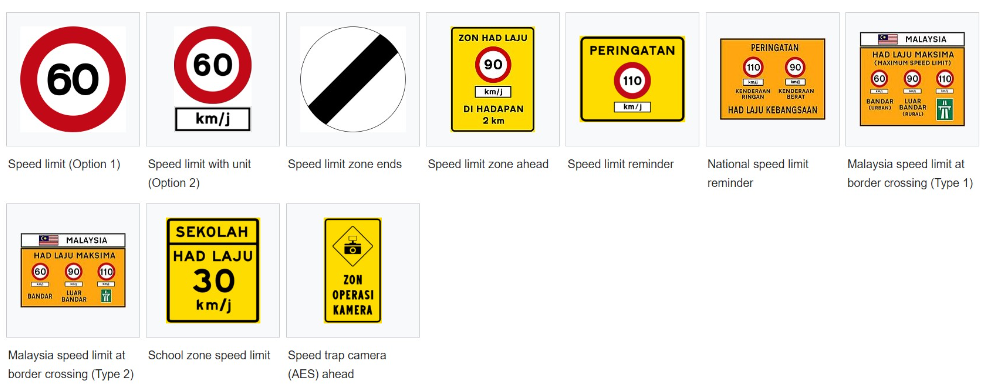
Speed Limit Signs vary in colour such as red, white, yellow and orange. Drivers are required to follow as it shows the particular speed limit for the road. The speed limits are to prevent potential accidents or mishaps from occuring. If a driver goes over the speed limit, it might cause the car to skid. If drivers fail to follow the speed limit, they will be at risk of getting fined when caught by the poilice.